tangents ‘26 | July
This month’s Tangents theme explored Punk. More than a musical genre, but as an attitude toward creativity, individuality, and challenging convention. We kicked things off with Tommy’s presentation on Death, the Detroit band formed by three Black brothers, David, Bobby, and Dannis Hackney, in the early 1970s. Long before punk had established itself as a recognizable genre, Death was developing an aggressive, unconventional sound that would later be recognized as pioneering proto-punk. Despite repeated rejection from record labels, the brothers refused to compromise their music or their identity, eventually self-releasing their own records. Their story is a fitting introduction to the punk ethos: make something you believe in, even when nobody else understands it.
Craig followed with “10 Bullets,” a film produced by Tom Sachs Studio that takes the familiar employee handbook and turns it into something much more irreverent and visually engaging. Rather than presenting a dry list of workplace policies, Sachs establishes a set of rules for making, working, and thinking through a distinctly handmade, direct, and unapologetic visual language. The result feels less like corporate policy and more like a manifesto for creative practice.
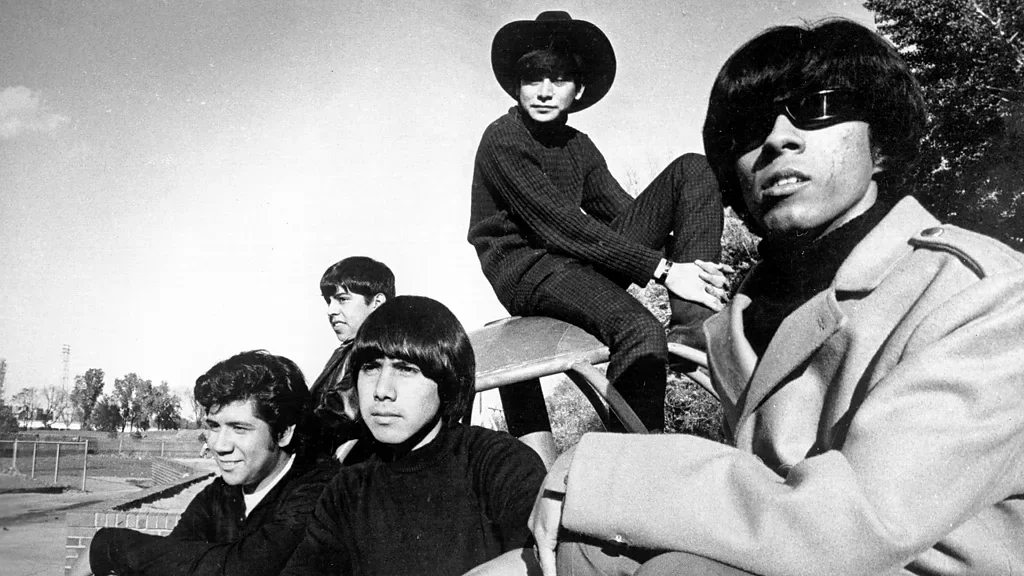
Haneen continued the theme with a film exploring Latin punk, expanding the conversation beyond the genre’s better-known American and British roots. The film highlighted how punk has been adopted and reshaped by different cultures, communities, and generations, becoming a vehicle for identity, resistance, and self-expression. Rather than representing one universal sound or aesthetic, punk becomes something that changes depending on who is using it and what they are responding to.
Pauly closed out the month with the history of Dr. Martens, tracing how a practical work boot evolved into one of the most recognizable symbols of punk and counterculture. What began as utilitarian footwear was adopted by different subcultures and transformed through use, customization, and association into something much more culturally significant. The story is a fitting conclusion to the month because it demonstrates that punk isn't necessarily something designed from scratch. It can emerge when people take an existing object, reinterpret it, and make it their own. The History of Dr. Martens: From Innovation to Subculture